
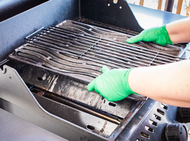
How Often Should You Clean Your Grill? A Grill Maintenance Schedule
Nov 11th 2026
How Often Should You Clean Your Grill? A Grill Maintenance Schedule
Most grills need a quick clean after every cook, a deeper clean about once a month during heavy use, and a full inspection at least once or twice a year. Regular care keeps heat even, cuts down on flare-ups, and helps your grill last longer. Here is a simple schedule you can follow, plus what changes for gas, pellet, kamado, and charcoal grills.
Grill Maintenance Schedule at a Glance
| How Often | What to Do |
| After every cook | Burn off residue, brush the grates, and check the grease tray or ash. |
| Every month of regular use | Deep clean the grates, clean heat shields or flavorizer bars, and scrape the inside of the firebox. |
| Every season | Inspect burners, igniters, hoses, and gaskets, and give the outside a thorough cleaning. |
| Once a year | Do a full top-to-bottom cleaning and replace worn parts. |
If you grill several times a week, move each task up a little. If you only grill occasionally, a deep clean before and after your busiest season may be enough. Always follow your owner's manual first, since requirements vary by model.
What Should You Do After Every Cook?
- Burn off residue. Run the grill on high for several minutes after cooking so food bits turn to ash.
- Brush the grates. Clean them while they are still warm, which makes residue easier to remove.
- Check the grease tray or ash. Empty the drip tray or grease cup when it starts to fill, and clear ash from charcoal grills once it has cooled completely.
- Cover it once it cools. A grill cover protects your grill from rain, snow, and debris between cooks.
What Should You Clean Every Month?
During grilling season, plan a deeper clean about once a month, or more often if you cook a lot of fatty or saucy foods.
- Deep clean the grates. Remove them and scrub both sides.
- Clean heat shields and flavorizer bars. Scrape off grease and buildup that can cause flare-ups.
- Scrape the firebox. Push debris from the inside walls and bottom into the grease tray or ash pan.
- Clean the grease management system. Empty and wipe the tray, cup, or bucket.
- Wipe down the outside. Use a cleaner made for your grill's finish, such as a stainless steel cleaner.
What Should You Check Every Season?
- Burners: Look for clogged ports, cracks, or rust. Uneven or yellow flames on a gas grill can be a sign of a clogged or damaged burner.
- Igniter: Make sure it sparks reliably.
- Gas hoses and connections: Look for cracks, wear, or damage, and check connections for leaks. Many manufacturers recommend a soapy water test, where bubbles indicate a leak. If you find a leak, turn off the gas and do not use the grill until it is repaired.
- Gaskets and seals: Check kamado and smoker gaskets for wear so the lid seals properly.
- Hardware: Tighten loose handles, hinges, bands, and wheels.
Getting ready to put your grill away for the cold months? Our Fall & Winter Grilling Tips + How to Winterize Your Grill covers seasonal storage.
How Does Maintenance Differ by Grill Type?
Gas grills: Focus on the grates, burners, heat shields, and grease system. Seasonal checks on hoses, connections, and igniters keep your grill lighting reliably.
Pellet grills: Empty ash from the fire pot regularly so the grill lights and holds temperature properly. Keep pellets dry, clean the grease bucket and drip tray, and follow your manufacturer's guidance on how often to vacuum the fire pot.
Kamado grills: Clear ash before cooks so air can flow through the vents. Check the gasket and the metal bands and hinges. High-temperature burns can help clean the inside, but follow your manufacturer's instructions.
Charcoal grills: Remove ash once it is completely cold, store it in a metal container, and keep the vents clear so you can control the fire.
When Should You Replace Grill Parts?
It may be time for new parts if you notice:
- Grates that are rusted through, cracked, or flaking
- Burners with holes, cracks, or flames that stay uneven after cleaning
- An igniter that will not spark
- Heat shields or flavorizer bars that are rusted through
- Worn or cracked hoses
Replacing a few worn parts can often bring a well-built grill back to like-new performance.
Top Grill Maintenance Picks
A quality brush makes after-every-cook cleaning quick. Check your brush often and replace it if it shows loose or worn bristles.
Scrapers are useful for stuck-on residue, deep cleaning, and clearing out the firebox.
A cover protects your grill from rain, snow, and debris between cooks. Choose one that fits your grill's size and shape.
Replace worn or damaged grates to restore even cooking and clean sear marks.
Find replacement burners, igniters, and other parts to keep your grill running like new.
FAQ
Q: How often should I deep clean my grill? A: About once a month during regular use is a good general rule, plus a full cleaning at least once a year. Clean more often if you grill frequently.
Q: Should I clean my grill grates hot or cold? A: Brushing warm grates makes it easier to remove residue. For a deep clean, let the grill cool completely and remove the grates.
Q: How do I check my gas grill for leaks? A: Many manufacturers recommend brushing soapy water on hoses and connections with the gas on. Bubbles indicate a leak. Follow your owner's manual, and do not use the grill until any leak is repaired.
Q: Why are my gas grill flames yellow? A: Yellow or uneven flames can indicate a clogged or damaged burner. Clean the burner ports and check your manual. If the problem continues, the burner may need to be replaced.
Q: How often should I clean my pellet grill fire pot? A: It depends on your grill and how often you cook. Follow your manufacturer's guidance and clear ash regularly so the grill lights and holds temperature properly.
Keep Your Grill Cooking Like New
A few minutes of care after each cook adds up to years of great grilling. BBQ Authority specializes in premium gas grills from $1,000 to $10,000+ for homeowners and contractors. Browse current deals at bbq-authority.com/promotions or call 866-238-9228 for help finding the right cleaning tools and replacement parts for your grill.