
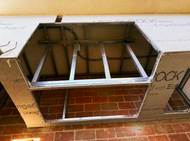
Built-In Grill Cutout Dimensions: How to Measure Your Island
Posted by The BBQ Authority Team on Nov 20th 2026
Built-in grill cutout dimensions are the exact width, depth and height of the opening your island needs, and they're almost never the same as the grill's advertised size. A "36-inch grill" might need a cutout a few inches narrower or wider, depending on the brand. Always use the cutout specs from the manufacturer's installation guide for the exact model, measure your outdoor kitchen island opening in three places, and account for an insulated jacket if your island is built with combustible materials.
There's a particular kind of silence that falls over a backyard when a brand-new grill gets lowered toward its island and stops an inch short. The installer checks the tape measure twice. The homeowner stares at the stone. Somebody says the word "grinder."
It happens more often than you'd think, and almost always for the same reason: the island was built to the grill's nominal size instead of its actual cutout dimensions. The good news is that it's completely avoidable with ten minutes, a tape measure and the right spec sheet.
Why "36-Inch Grill" Doesn't Mean a 36-Inch Hole
Grill sizes like 30, 32, 36 or 42 inches describe the grill's overall width or its class, not the grill island cutout it drops into. The body of a built-in grill sits inside the island, while the front panel and control face overlap the island's edges. That means the cutout is usually narrower than the grill's front face.
Every manufacturer designs its grill heads a little differently, so two "36-inch" grills from different brands can need different cutouts. Even two series from the same brand can differ. That's why the only number that matters is the one in the installation guide for the exact model you're buying.
The Three Measurements That Matter
| Measurement | What it is | What to check |
|---|---|---|
| Width | Side to side across the opening | Measure at the front, middle and back of the opening; use the smallest number |
| Depth | Front edge of the counter to the back of the opening | Account for countertop overhang and anything behind the grill, like a backsplash |
| Height | Depth from the countertop surface down to the support below | Make sure the grill sits on its supports or ledges at the height the manual specifies |
Measure the grill island cutout itself, not the plans. Masonry, stone veneer and countertop fabrication can all shift an opening by a fraction of an inch, and fractions matter here. If the opening is out of square, the narrowest measurement is your real width.
How to Measure for a Built-In Grill, Step by Step
- Pick your grill first. Choose the exact brand, series and size before the island is framed. If the island already exists, measure it first and shop for grills whose cutouts fit.
- Download the installation guide. Look for the "cutout dimensions" or "installation dimensions" diagram. Product pages often list it, and our team can send it to you.
- Measure width in three places. Front, middle and back of the opening.
- Measure depth. From the front edge of the countertop to the back of the opening.
- Measure height. From the countertop surface down to the base or support rails.
- Compare and allow for tolerance. Your opening should match the manufacturer's spec, within any tolerance it lists. Too small means cutting; too large can leave gaps.
- Check what's below. The gas line, shutoff valve and access door need to line up with the grill's connection point.
The Insulated Jacket: The Most Overlooked Measurement
If your island is framed with wood or other combustible materials, most manufacturers require an insulated grill jacket around the grill. The jacket creates a protective barrier between the hot grill body and the island structure.
Here's the catch: the jacket is bigger than the grill, so it needs its own, larger cutout. If you plan a cutout for the grill alone and then learn you need a jacket, the opening won't work.
When you're planning, ask two questions:
- Is my island built from combustible or noncombustible materials?
- Does this grill require a jacket in my island, and what are the jacket's cutout dimensions?
Islands built entirely of noncombustible materials, such as masonry or steel framing with cement board, often don't need a jacket, but always confirm with the grill's installation manual.
Clearances: The Space Around the Cutout
Getting the hole right is only half of it. Built-in grills also need space around them:
- Behind the grill: Many grill hoods swing open toward the back. If there's a backsplash, wall or raised bar behind it, the hood needs room to open fully.
- Above the grill: Covered patios and pergolas need clearance overhead, and many require a vent hood.
- To the sides: Combustible materials nearby, such as wood trim or siding, have minimum distances listed in the manual.
- Ventilation in the island: Islands with gas appliances usually need vent panels so gas can't build up inside.
For more on getting the whole layout right, see our 10 outdoor kitchen layout mistakes to avoid.
Don't Forget the Rest of the Island
The grill isn't the only thing that needs a precise opening. Side burners, access doors, drawers, refrigeration and sinks all have their own cutout dimensions. Gather every installation guide before construction and hand the full set to your builder or countertop fabricator.
Matching components from the same brand often makes this easier, since doors and drawers are designed to line up visually with the grill above them.
Replacing an Existing Built-In Grill
Swapping an old grill for a new one is where cutout problems show up most. Your existing opening was made for a grill that may no longer be sold, and few new models will match it exactly.
Start by measuring your existing cutout carefully, then compare it with the cutout specs of the grills you're considering. If nothing fits perfectly, you have a few options: choose a model with a smaller cutout and fill the gap with a trim kit or filler panel when the manufacturer offers one, or have the opening modified. Island cut-outs can also help when you're adapting a prebuilt island.
BBQ Authority provides detailed technical information and buying guidance for every premium grill brand, and our team can compare your existing cutout against current models before you order.
Skip the Guesswork With a Matched Island
If you haven't built yet, a pre-designed island or island bundle takes cutouts off your plate entirely. The openings are made for specific grills and components, so everything drops in as intended.
BBQ Authority offers built-in grill packages and outdoor kitchen components for custom backyard designs, so you can order the grill, island and components together. If you're still choosing the grill, our guide to the best built-in gas grills for first-time buyers is a good place to start, and our Outdoor Kitchen Planning: Components & Costs guide covers the rest of the build.
Top Picks for a Perfect Fit
Choose the grill first, then design the island around its exact cutout.
Pre-designed islands with openings made for matching components.
Required by many manufacturers for islands built with combustible materials.
Access doors and drawers to line up beneath the grill and around the island.
Frequently Asked Questions
Are built-in grill cutout dimensions the same as the grill size?
No. A grill's advertised size describes its overall width or class. The cutout is usually different, so always use the manufacturer's installation guide for the exact model.
How do I measure my island for a built-in grill?
Measure the opening's width at the front, middle and back, plus its depth and height. Use the smallest width and compare all three numbers with the grill's cutout specs.
Do I need an insulated jacket for my built-in grill?
Most manufacturers require one when the island is built with combustible materials like wood framing. The jacket needs a larger cutout than the grill alone, so plan for it early.
Can I put a new grill in my old grill's cutout?
Sometimes. Measure your existing opening and compare it with each new model's cutout specs. If it doesn't match, a filler panel or trim kit may help, or the opening may need to be modified.
Should I buy the grill before building the island?
Yes. Choosing the grill and components first lets your builder cut every opening to the exact specs.
Measure Twice, Grill for Years
A few careful measurements now save you from cutting stone later. If you're not sure which grills fit your island, BBQ Authority offers expert customer service to help you compare cutouts and choose the right model, with live chat, phone and email support. Shop built-in grills and islands at bbq-authority.com or call 866-238-9228, and make sure your new grill drops in on the first try.