
Outdoor Pizza Oven Buying Guide: Wood vs Gas vs Dual-Fuel
Posted by The BBQ Authority Team on Nov 13th 2026
The right outdoor pizza oven comes down to three choices: fuel, size and setup. Wood-fired ovens give the most flavor and atmosphere but take more time and attention. Gas ovens heat up faster and run at the turn of a knob. Dual-fuel ovens let you switch between the two. From there, pick a size that matches how many people you feed and decide whether you want a countertop, freestanding or built-in oven.
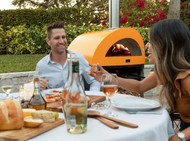
The first pizza out of a hot oven is hard to describe until you've seen it. The dough hits the stone and immediately starts to puff. The crust blisters and leopard-spots in under two minutes, the cheese bubbles at the edges, and that smell of charred dough and basil drifts across the whole backyard. Kids who refuse to eat anything green suddenly want to build their own pies.
That's the promise of an outdoor pizza oven: temperatures your kitchen oven can't touch, and a reason for everyone to gather around. The hard part is picking one, because the options run from compact countertop ovens to full built-in brick domes. Here's how to sort through them.
Why an Outdoor Pizza Oven Beats Your Kitchen Oven
Most home ovens top out around 500°F to 550°F. A dedicated outdoor pizza oven can reach 700°F to 900°F or more, depending on the model. That intense heat comes from three places at once: the hot stone or brick floor that crisps the bottom, the dome that radiates heat down onto the toppings, and the flame that rolls across the top.
At those temperatures, a thin Neapolitan-style pizza can cook in roughly 60 to 90 seconds, and a thicker New York-style pie in a few minutes. You'll also find yourself roasting vegetables, searing steaks in cast iron, baking bread and even making desserts once the oven is hot.
Wood vs Gas vs Dual-Fuel
The table below compares the three fuel options side by side.
| Attribute | Wood-Fired | Gas | Dual-Fuel (Wood and Gas) |
|---|---|---|---|
| Flavor | Light smoke and char; the classic pizzeria experience | Clean flavor, no smoke | Choose each time you cook |
| Heat-up time | Longer; varies widely by oven size and build | Typically faster | Depends on the fuel you choose |
| Effort | Build and tend a fire, add wood as you cook | Turn a knob, adjust the flame | Your choice |
| Temperature control | Takes practice | Easy and consistent | Easy on gas, more hands-on with wood |
| Fuel | Kiln-dried hardwood | Propane or natural gas | Both |
| Best for | Weekend projects, entertaining, fire lovers | Weeknight pizza, beginners, convenience | People who want both experiences |
Wood-Fired Ovens
There's something primal about cooking over a real fire: the crackle, the glow, the way the flame curls across the dome. Wood-fired ovens deliver a subtle smoky flavor and the full pizzeria atmosphere. Many larger wood-fired ovens also hold heat for hours after the fire dies down, which is perfect for baking bread or slow-roasting after the pizzas are done.
The trade-off is time and attention. You'll need to build the fire, give it time to heat the floor and dome, and add wood throughout the cook to keep temperatures up. Use dry, seasoned or kiln-dried hardwood like oak, beech or ash, never softwood or treated lumber. Our pizza wood is cut to size for oven use.
Browse wood-burning pizza ovens in countertop, freestanding and built-in styles.
Gas Ovens
Gas ovens are the easiest way to get started. Light the burner, give the stone time to preheat, and you're making pizza. The flame is steady and adjustable, which makes it easier to cook consistently, especially when you're feeding a crowd one pie after another.
You won't get wood smoke, but many cooks find the convenience means they use the oven far more often, which is a pretty good trade. Gas ovens are available in propane and natural gas versions, so check which fuel your patio or outdoor kitchen is set up for before you order.
Browse gas pizza ovens in countertop, freestanding and built-in styles.
Dual-Fuel Ovens
Can't decide? Dual-fuel, or hybrid, ovens let you cook with gas on a busy weeknight and wood on a lazy Saturday. Some, like the Gozney Dome, are designed to run on either fuel; others use an add-on kit to switch between the two. Check how each model handles the change, and whether the kit is included or sold separately.
Browse dual-fuel and hybrid ovens.
Countertop, Freestanding or Built-In?
The table below shows how the three oven setups compare and who each one suits best.
| Setup | What It Is | Best For |
|---|---|---|
| Countertop | Sits on an existing table, island or stand | Smaller patios, first-time buyers, adding pizza to an existing outdoor kitchen |
| Freestanding | Comes on its own cart or base | Flexible placement; easy to move around the patio |
| Built-in | Installed into an island or masonry enclosure | Permanent outdoor kitchens and serious pizza makers |
If you're planning an outdoor kitchen, a built-in oven becomes a true centerpiece, but it needs to be planned with the rest of the island, including clearances, fuel lines and support. Our Outdoor Kitchen Planning: Components & Costs guide walks through it.
How Big Should Your Oven Be?
Think about how many people you usually cook for and what size pizza you like.
- 12-inch pizzas, small households: A compact oven is easier to heat and usually more affordable.
- 16-inch pizzas or regular entertaining: Look for a wider cooking floor and larger opening so you can launch and turn bigger pies.
- Big parties: Larger ovens can cook two or more pizzas at once, which keeps the line moving at a backyard party.
Bigger ovens with more stone and brick hold heat better, but they also take longer to get hot and use more fuel. There's no one right size; pick the one that matches how you'll actually use it.
Features Worth Comparing
- Floor material: Thick stone or firebrick floors hold heat and crisp the crust. Thicker floors recover heat faster between pizzas.
- Insulation: Better insulation means faster heat-up, steadier temperatures and a cooler exterior.
- Opening width and height: A wider mouth makes launching and turning easier; a lower opening holds heat better.
- Built-in thermometer or temperature display: Helpful, but an infrared thermometer for the stone is still the best way to know when the floor is ready.
- Weight and portability: Some ovens weigh a lot. If you plan to move it, check the weight and whether a cart or stand is available.
- Weather protection: A fitted pizza oven cover protects the finish between cooks.
- Warranty: Coverage varies by brand and by part, so compare before you buy.
Brands We Carry
- Gozney: Modern, well-insulated ovens from compact countertop models to the dual-fuel Dome. See our Top 5 Gozney Accessories.
- Alfa: Italian-made ovens in wood-fired, gas and hybrid styles.
- Chicago Brick Oven: Classic brick-style ovens for countertop and built-in installations.
- Forno Venetzia: Wood-fired ovens with a traditional look.
- Outdoor kitchen brands: Blaze, Alfresco, Delta Heat and Mont Alpi offer ovens designed to match their grills and islands.
BBQ Authority is the one-stop shop for grills, pizza ovens, outdoor kitchens, and accessories, so you can match your oven, grill and island components in one order.
Placement and Safety
- Set the oven on a stable, heat-resistant surface and follow the manufacturer's clearance requirements from walls, railings and anything combustible.
- Check whether your oven is approved for use under a covered patio or pergola before placing it there.
- Keep children and pets away from the opening; exterior surfaces can get very hot.
- For gas ovens, have any natural gas connection made by a licensed professional, and check connections with a soapy water test each season.
What to Buy With Your Oven
- Pizza Peels: A launching peel to slide pizzas in and a smaller turning peel to rotate them.
- Pizza Stones/Racks: Extra cooking surfaces and replacement stones.
- Pizza Cutters/Rollers: A rocker or wheel for clean slices.
- Pizza Wood: Properly dried hardwood sized for pizza ovens.
- Pizza Oven Covers: Weather protection between cooks.
- Pizza Kits: Bundled tools to get started.
Looking for recipes to break in your oven? Try our Duck Pizza or BBQ Lamb Pizza With Homemade Donair Sauce. A pizza oven also makes a memorable gift; see our Holiday Gift Guide for more ideas.
Frequently Asked Questions
Is a wood-fired or gas pizza oven better?
Neither is better for everyone. Wood-fired ovens offer more flavor and atmosphere; gas ovens are faster and easier to control. If you can't decide, a dual-fuel oven gives you both.
How hot does an outdoor pizza oven get?
Many reach 700°F to 900°F or more, depending on the model and fuel, far hotter than a typical home oven.
How long does it take an outdoor pizza oven to heat up?
It depends on the oven's size, materials and fuel. Compact gas ovens are often among the quickest; large brick or wood-fired ovens take longer but hold heat for hours.
What wood should I use in a pizza oven?
Dry, kiln-dried or well-seasoned hardwood such as oak, beech or ash. Avoid softwoods, treated lumber and painted wood.
Can I use a pizza oven under a covered patio?
Only if the manufacturer approves it for that use. Follow the clearance requirements in your owner's manual.
What size pizza oven do I need?
A compact oven is great for 12-inch pizzas and small households. For 16-inch pizzas or frequent entertaining, choose a wider oven with a larger opening.
Can I cook more than pizza in an outdoor pizza oven?
Yes. Pizza ovens are great for roasted vegetables, steaks in cast iron, flatbreads, bread and desserts.
Bring the Pizzeria Home
The right pizza oven turns an ordinary Friday night into the best night of the week and makes your backyard the place everyone wants to be. If you're not sure whether wood, gas or dual-fuel is right for you, BBQ Authority provides detailed technical information and buying guidance for every brand we carry, with live chat, phone and email support. Shop pizza ovens and accessories at bbq-authority.com or call 866-238-9228, and get ready for the first blistered, bubbling slice from your own backyard.